
The True Cost of Flooring in a Home Remodel: A Complete Homeowner's Guide to Materials, Hidden Costs & Smart Selection
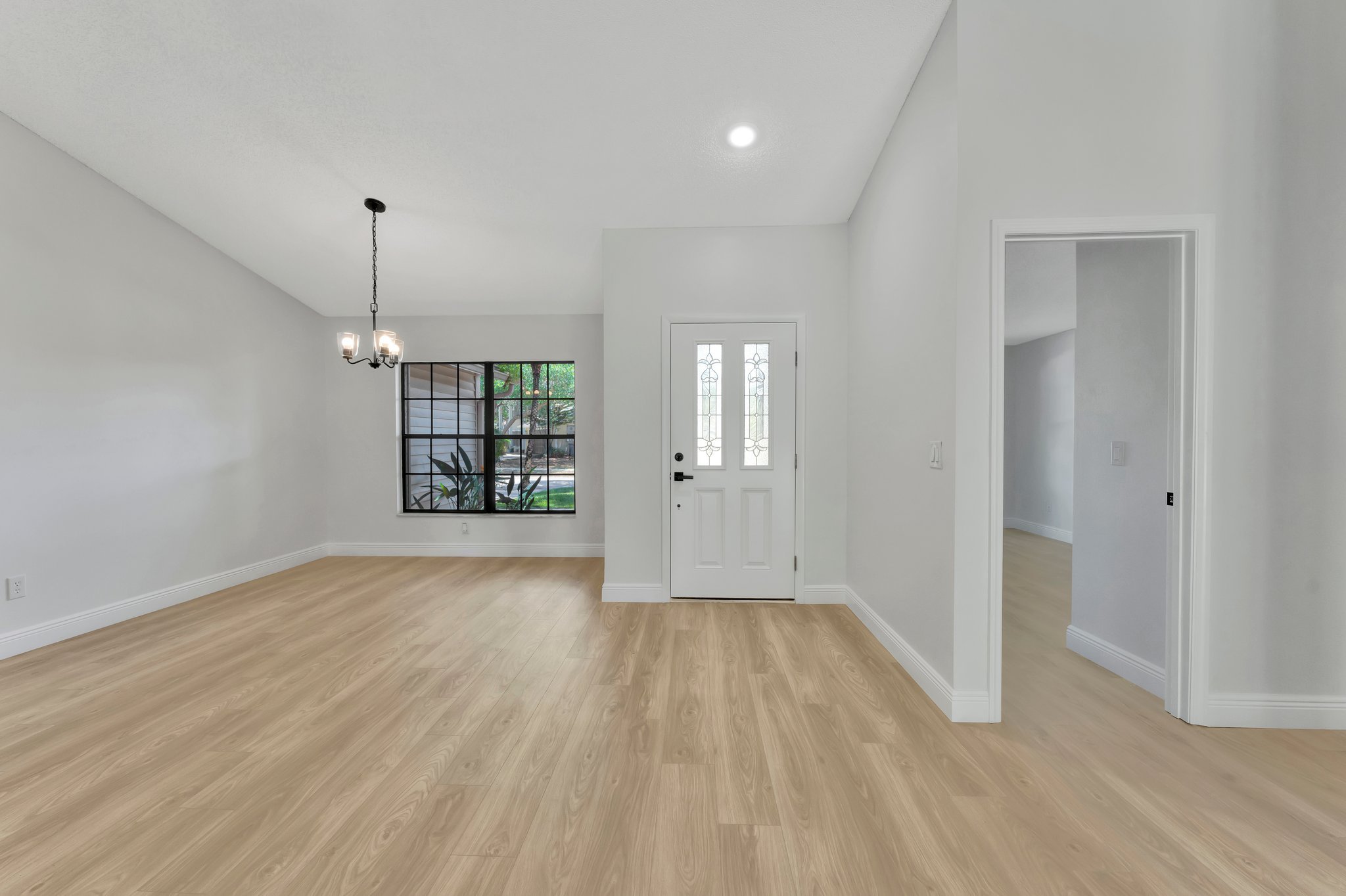
When embarking on a home remodel, understanding the true cost of flooring is essential for homeowners. Flooring is not just about the material and installation; it encompasses a range of factors that can significantly impact your budget. This guide will delve into the various flooring options available, the hidden costs often overlooked, and how to make informed decisions that align with your remodeling goals. By the end of this article, you will have a comprehensive understanding of flooring costs, enabling you to select the best materials for your home while avoiding unexpected expenses.
In this guide, we will explore the real costs associated with flooring, including luxury vinyl plank, laminate, tile, hardwood, and carpet. We will also discuss the hidden costs of flooring demolition, leveling, and room-by-room recommendations to ensure you are well-prepared for your remodeling project.
Understanding the Real Cost of Flooring
The cost of flooring in a home remodel is influenced by various factors beyond just the price of materials and installation. Homeowners must consider labor costs, permitting fees, and unexpected repairs that can arise during the remodeling process. Understanding these elements is crucial for accurate budgeting and avoiding financial surprises.
Why Flooring Pricing Is More Than Material + Installation
Flooring pricing involves several components that contribute to the overall cost. Homeowners often overlook the following:
Labor Costs: Skilled labor is essential for proper installation, and rates can vary significantly based on location and complexity of the job.
Permitting Fees: Depending on local regulations, permits may be required for flooring installation, adding to the overall expense.
Unexpected Repairs: Issues such as subfloor damage or plumbing problems can arise, necessitating additional repairs that can inflate costs.
Hidden Construction Costs Homeowners Often Overlook
Many homeowners fail to account for hidden costs that can arise during a flooring remodel. Common overlooked expenses include:
Subfloor Repairs: Damage to the subfloor may require replacement or reinforcement, adding to the project cost.
Disposal Fees: Removing old flooring materials can incur disposal fees, especially if the materials are not recyclable.
Inspection Costs: Some projects may require inspections, which can add to the overall budget.
Luxury Vinyl Plank: The Modern Favorite

Luxury vinyl plank (LVP) has gained immense popularity in home remodels due to its versatility and affordability. This section will explore why LVP is favored among homeowners and what cost expectations to have.
Why LVP Has Become So Popular in Home Remodels
LVP has become a go-to choice for many homeowners for several reasons:
Aesthetic Appeal: LVP mimics the look of natural wood or stone, providing a high-end appearance at a lower cost.
Durability: It is resistant to scratches, dents, and moisture, making it suitable for various areas in the home.
Cost-Effectiveness: Compared to traditional hardwood or tile, LVP is often more affordable, both in material and installation costs.
Realistic Cost Expectations for LVP
When considering LVP, homeowners should have realistic expectations regarding costs. On average, LVP can range from $2 to $8 per square foot, depending on the quality and brand. Installation costs typically add another $1 to $3 per square foot, making it a budget-friendly option for many.
Laminate Flooring: Affordable but Moisture-Vulnerable
Laminate flooring is another popular choice for homeowners looking for an affordable option. However, it comes with its own set of strengths and weaknesses.
Laminate's Strengths: Affordability, Appearance, and Scratch Resistance
Laminate flooring offers several advantages:
Affordability: It is one of the most budget-friendly flooring options available, making it accessible for many homeowners.
Appearance: Laminate can closely resemble hardwood or tile, providing a stylish look without the high price tag.
Scratch Resistance: The surface of laminate is designed to resist scratches, making it suitable for high-traffic areas.
Laminate's Weaknesses: Water Damage, Swelling, and Seam Failures
Despite its benefits, laminate flooring has notable weaknesses:
Water Damage: Laminate is not waterproof and can swell or warp when exposed to moisture.
Swelling: If water seeps into seams, it can cause the planks to swell, leading to an uneven surface.
Seam Failures: Over time, seams can separate, leading to a less appealing appearance and potential trip hazards.
Tile Flooring: The Most Durable Long-Term Solution

Tile flooring is often regarded as one of the most durable options available, making it a popular choice for various areas in the home.
Porcelain, Ceramic, and Natural Stone Tile Options
Homeowners can choose from several types of tile, including:
Porcelain: Known for its durability and water resistance, porcelain tile is ideal for high-moisture areas like bathrooms and kitchens.
Ceramic: A versatile option that comes in various styles and colors, ceramic tile is suitable for many applications.
Natural Stone: Options like granite or marble provide a luxurious look but require more maintenance.
Why Tile Excels in Bathrooms, Wet Areas, and Flood-Prone Homes
Tile flooring is particularly advantageous in specific areas due to its water resistance and durability. It is an excellent choice for:
Bathrooms: Tile can withstand moisture and is easy to clean, making it ideal for bathrooms.
Wet Areas: In kitchens and laundry rooms, tile provides a durable surface that can handle spills and humidity.
Flood-Prone Homes: For homes in flood-prone areas, tile is a safer option as it does not absorb water like other materials.
Design Versatility and Radiant Heat Compatibility
Tile flooring offers design versatility, allowing homeowners to create unique looks. Additionally, it is compatible with radiant heating systems, providing warmth underfoot during colder months.
The Construction Reality: Labor, Substrate Prep, and Waterproofing
While tile is durable, the installation process can be labor-intensive. Homeowners should be prepared for:
Labor Costs: Skilled labor is required for proper tile installation, which can increase overall costs.
Substrate Preparation: Ensuring a level surface is crucial for tile installation, which may require additional work.
Waterproofing: In wet areas, proper waterproofing measures must be taken to prevent water damage.
Grout Maintenance and Demolition Challenges
Tile flooring requires grout, which can be a maintenance concern. Homeowners should be aware of:
Grout Maintenance: Regular cleaning and sealing are necessary to prevent staining and deterioration.
Demolition Challenges: Removing old tile can be labor-intensive and may require specialized tools.
Hardwood Flooring: Premium Appeal with Real Risks

Hardwood flooring is often seen as a premium choice, offering timeless beauty and value. However, it comes with its own set of risks.
Engineered, Glue-Down, Nail-Down, Site-Finished, and Prefinished Options
Homeowners can choose from various hardwood options, including:
Engineered Hardwood: Offers stability and can be installed in moisture-prone areas.
Glue-Down: Provides a secure installation but can be more challenging to remove.
Nail-Down: A traditional method that requires a wooden subfloor.
Site-Finished: Allows for customization but requires more time and labor.
Prefinished: Offers convenience with a factory finish but may limit customization.
Timeless Resale Appeal and Authentic Warmth
Hardwood flooring is known for its aesthetic appeal and can significantly enhance a home's resale value. Its natural warmth and beauty make it a sought-after choice for many homeowners.
The High Cost of Glue-Down Hardwood Installations
Glue-down installations can be costly due to the materials and labor involved. Homeowners should be prepared for higher upfront costs compared to other installation methods.
Hardwood's Vulnerability to Flooding and Moisture Damage
Despite its beauty, hardwood is susceptible to water damage. Homeowners should consider:
Flooding Risks: In areas prone to flooding, hardwood may not be the best choice due to its vulnerability to moisture.
Moisture Protection: Premium pricing does not guarantee moisture protection, so proper installation and maintenance are crucial.
Carpet: Comfort in the Right Places
Carpet remains a popular choice for many homeowners, particularly in specific areas of the home.
Where Carpet Still Makes Sense
Carpet is ideal for:
Bedrooms: It provides warmth and comfort, making it a popular choice for bedrooms.
Living Rooms: In spaces where comfort is a priority, carpet can create a cozy atmosphere.
Why Carpet Is Falling Out of Favor in Primary Living Spaces
Despite its comfort, carpet is becoming less popular in primary living areas due to:
Maintenance Concerns: Carpets can trap allergens and require regular cleaning.
Durability Issues: In high-traffic areas, carpets may wear out more quickly than hard surface options.
Carpet as a Preference-Based Product, Not a Whole-Home Solution
Ultimately, carpet should be viewed as a preference-based choice rather than a one-size-fits-all solution. Homeowners should consider their lifestyle and maintenance preferences when selecting flooring.
Flooring Demolition and the Hidden Costs No One Talks About
Demolition is a critical step in any flooring remodel, but it often comes with hidden costs that can catch homeowners off guard.
Tile Demolition and Thinset Removal
Removing tile can be labor-intensive and may require specialized tools. Homeowners should be prepared for:
Labor Costs: Skilled labor is often needed for tile removal, which can increase overall costs.
Thinset Removal: The adhesive used for tile can be challenging to remove, adding to the time and expense.
Glued Flooring, Adhesive Scraping, and Slab Grinding
For glued flooring, homeowners may face additional challenges, including:
Adhesive Scraping: Removing old adhesive can be time-consuming and labor-intensive.
Slab Grinding: If the subfloor is uneven, grinding may be necessary to ensure a level surface.
Carpet Tack Strip and Trim Removal
Removing carpet tack strips and trim can also add to the overall cost. Homeowners should consider:
Labor Costs: Skilled labor may be required for proper removal without damaging the subfloor.
Disposal Fees: Old materials may incur disposal fees, especially if they are not recyclable.
Debris Hauling, Legal Disposal, and Dust Containment
Proper disposal of demolition debris is essential. Homeowners should be aware of:
Debris Hauling: Costs associated with hauling away old materials can add up.
Legal Disposal: Ensuring compliance with local disposal regulations is crucial to avoid fines.
Dust Containment: Proper dust containment measures may be necessary to protect the home during demolition.
Baseboards and Trim Considerations When Changing Flooring
When you change flooring, the decision about baseboards and trim often comes into play. While some homeowners opt to install quarter round molding to cover gaps between the new flooring and existing baseboards, this is not always the best option. Instead, many choose to update or replace baseboards entirely, especially when the new flooring represents a significant aesthetic change from the original builder-grade trim.
Even a simple upgrade, such as switching to 4-inch square molding baseboards, can dramatically enhance the overall look and feel of a room. Changing baseboards allows for a cleaner, more cohesive finish that complements the new flooring style and height. It also provides an opportunity to address any damage or wear on existing trim, ensuring a polished and professional appearance throughout your remodeled space.