
Spring Cleaning Strategies: Cabinet Replacement Considerations
In many Florida homes, cabinets serve as both practical storage and key design elements in kitchens and bathrooms. Homeowners in Tampa, Clearwater, and St. Petersburg often face the decision to replace or renovate cabinets during spring cleaning. Cabinet replacement involves a visual update and careful consideration of wear, storage needs, and budget. A well-planned cabinet upgrade enhances aesthetics and long-term home value. This guide helps you assess your current cabinetry, choose materials and layout, and budget your project. It also covers professional installation and style ideas so that your new cabinets harmonize with your overall kitchen design. With actionable advice from inspecting cabinet structures to choosing eco-friendly alternatives like wood veneer and sustainable finishes, this guide empowers homeowners to make informed decisions for a seamless kitchen remodel and a lasting renovation investment.
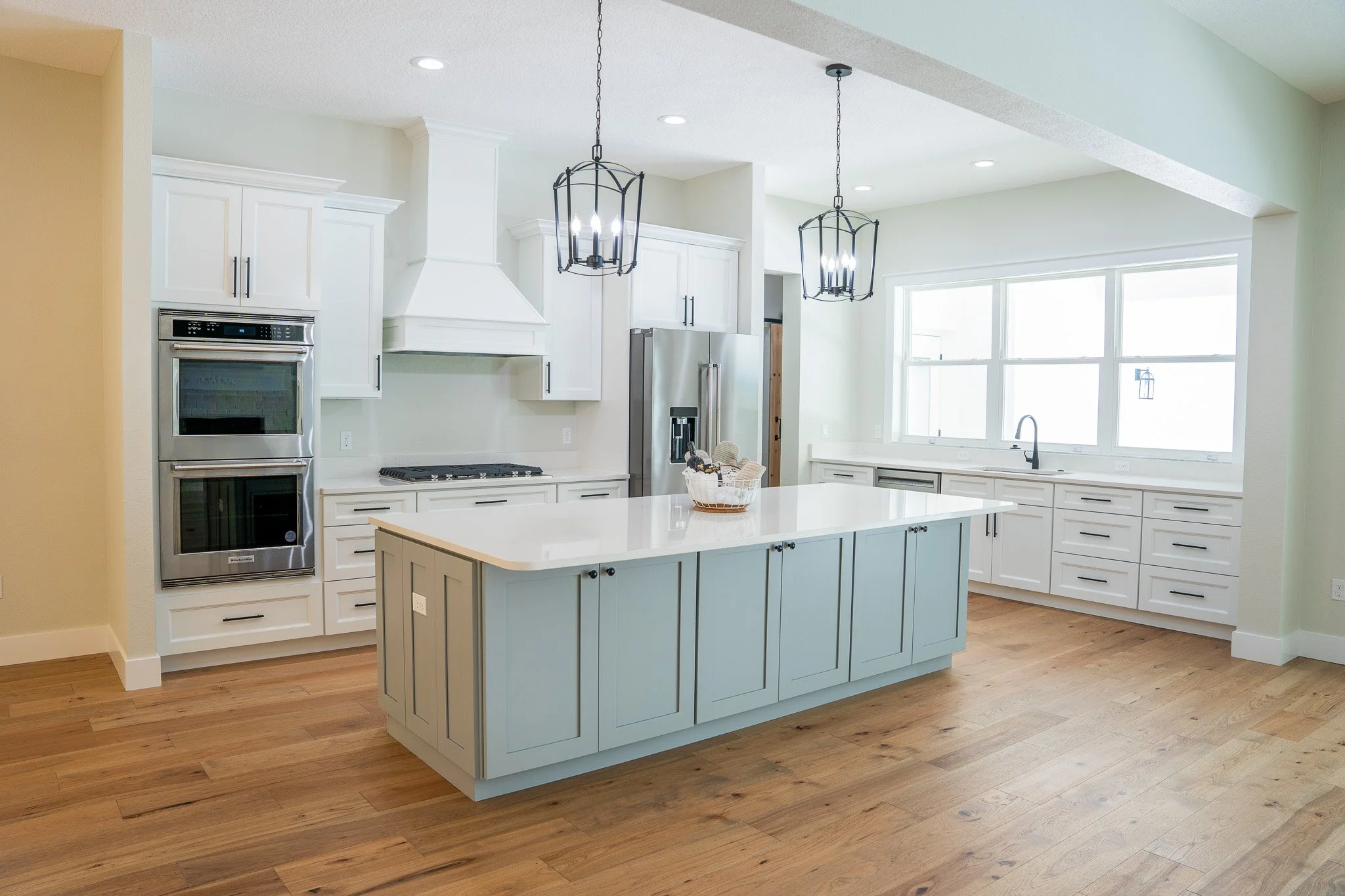
Assess Your Cabinets Before Planning Replacement Strategies
Begin by closely examining your existing kitchen cabinets. Identify signs of wear such as water damage, peeling paint, loose hinges, and warped surfaces. Early detection of issues simplifies the decision between refacing and full replacement.
Identify Signs of Wear and Damage in Your Cabinets
Look for scratches, chipping, discoloration, or structural weaknesses. Worn-out surfaces or malfunctioning hinges can compromise both safety and aesthetics. A thorough check of cabinet doors and internal shelves will reveal hidden damage that may make replacement more cost-effective than repair.
Evaluate the Functionality of Your Current Cabinets
Assess whether your cabinet layout and storage capacity meet your evolving needs. Consider if shelves are adjustable and if the design supports modern appliances and daily tasks. An outdated layout can lead to clutter and inefficiency, so consider reconfiguring storage spaces to better suit practical requirements.
Consider the Style of Your Cabinets for Updating Needs
Cabinet style greatly influences the overall kitchen look. Determine if your current design appears outdated compared to modern trends. Updating might involve changing colors, hardware, or door designs. For example, switching from glossy thermofoil to an elegant oak veneer can create a warmer, inviting atmosphere while keeping pace with current decor trends.
Estimate the Costs Associated With Cabinet Renovation
Budgeting is critical. Factor in tangible expenses including new materials, labor, and installation, as well as the inconvenience of disruptions during renovation. Request quotes from local cabinet shops for custom cabinetry, refacing, and hardware upgrades, and set aside funds for unexpected repairs. A well-prepared estimate ensures efficient resource allocation and improves your return on investment.
Assess Your Storage Needs Before Cabinet Changes
Evaluate your practical storage requirements. Consider how often you access items and whether the current design can accommodate bulky appliances, utensils, or pantry goods. Additional compartments, pull-out drawers, or vertical storage solutions may be necessary to streamline organization and meet modern household demands.
Research Trends for Cabinet Designs This Spring
Stay updated with current trends that blend aesthetics with practical design. Popular trends include eco-friendly materials, minimalist styles, and hybrid combinations of traditional wood with modern laminates. Reviewing designs in magazines, online, or at local cabinet door stores can spark ideas that ensure your cabinets remain appealing for years.
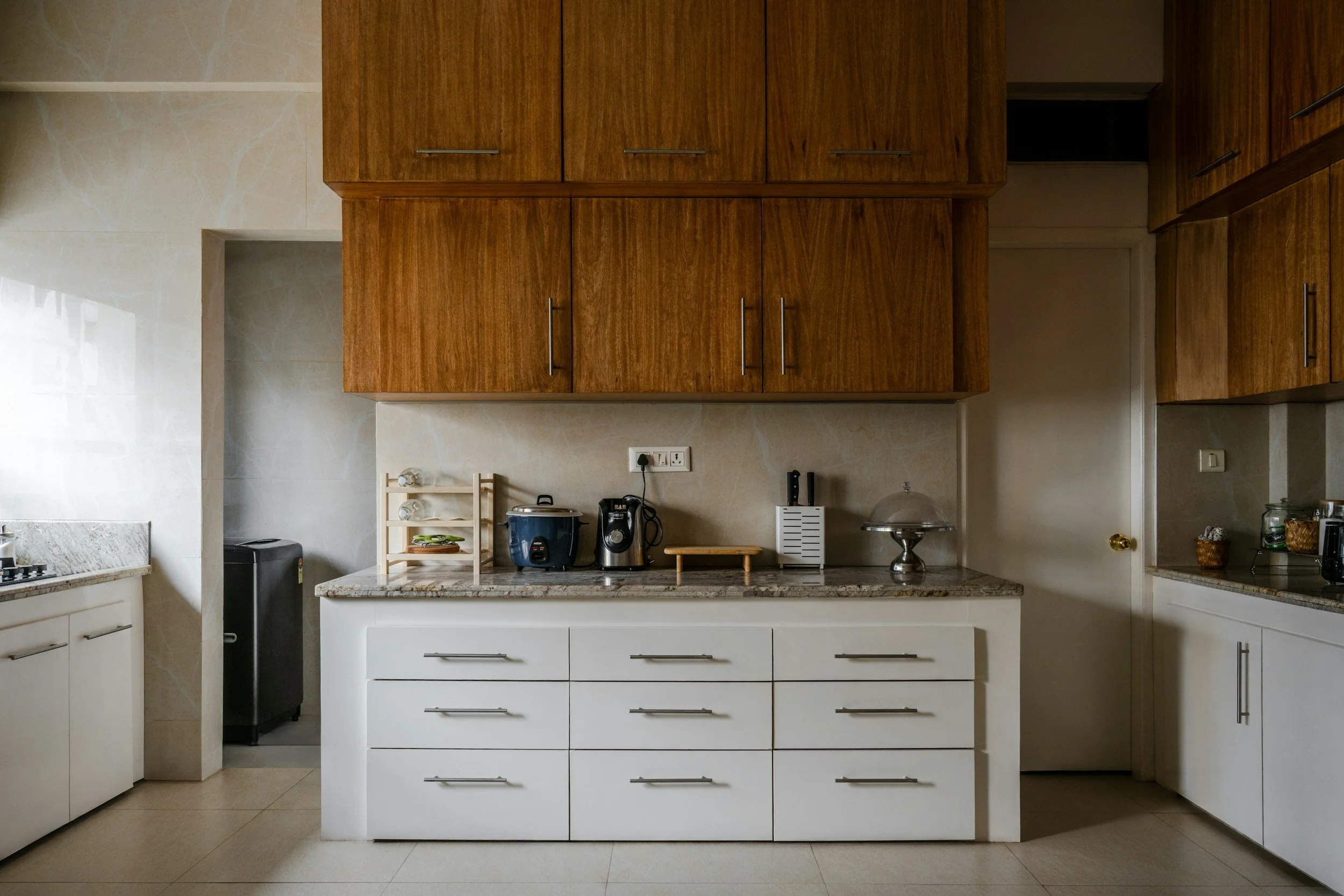
Choose the Right Materials for Cabinet Replacement
The materials you choose determine both the immediate appearance and long-term durability of your kitchen cabinets. Options range from traditional solid wood and oak to innovative choices like wood veneer and thermofoil. Each option affects maintenance needs, cost, and overall style.
Explore Different Wood Options for Your New Cabinets
Different types of wood such as oak, maple, or walnut offer unique grain patterns, colors, and durability. Oak is known for its strength and timeless look, while maple offers a clean, subtle appeal suited to modern designs. Exotic woods may provide a distinctive finish. Evaluate not only visual appeal but also sustainability and the reputation of local cabinet builders.
Investigate Durable Finishes for Longevity
Protect your cabinets with finishes that guard against moisture, scratches, and wear. Finishes like lacquer, varnish, and thermoplastic coatings vary in their resistance to water and heat. A durable finish maintains the cabinet’s color and texture longer—an important factor in kitchens subject to high humidity and frequent use.
Review Eco-Friendly Materials for Sustainable Choices
For those concerned about the environment, eco-friendly options are increasingly popular. Consider bamboo, reclaimed wood, or engineered wood products that use low-emission adhesives. Sustainable materials not only reduce your carbon footprint but can also improve indoor air quality while offering high performance and a natural look.
Compare Prices of Various Material Types
Material costs vary based on type, finish, and manufacturing methods. Obtain detailed quotes from several suppliers for solid wood, veneers, particle board, and composite alternatives. A careful price comparison ensures that you achieve high quality without overspending, including evaluation of any additional installation or maintenance expenses.
Understand Maintenance Requirements for Each Material
Different materials require varying levels of care. For instance, solid wood may need periodic resealing, while thermofoil often only needs regular cleaning. Understand the cleaning routines and potential repairs required for your chosen material so that it fits your lifestyle and budget over the long term.
Select Colors That Complement Your Kitchen Design
The choice of cabinet color can transform the ambiance of your kitchen. Whether you prefer natural wood tones, modern neutrals, or bold hues, ensure the color harmonizes with your countertops, walls, and lighting. Sample colors in your kitchen environment before making a final decision to guarantee a cohesive design.
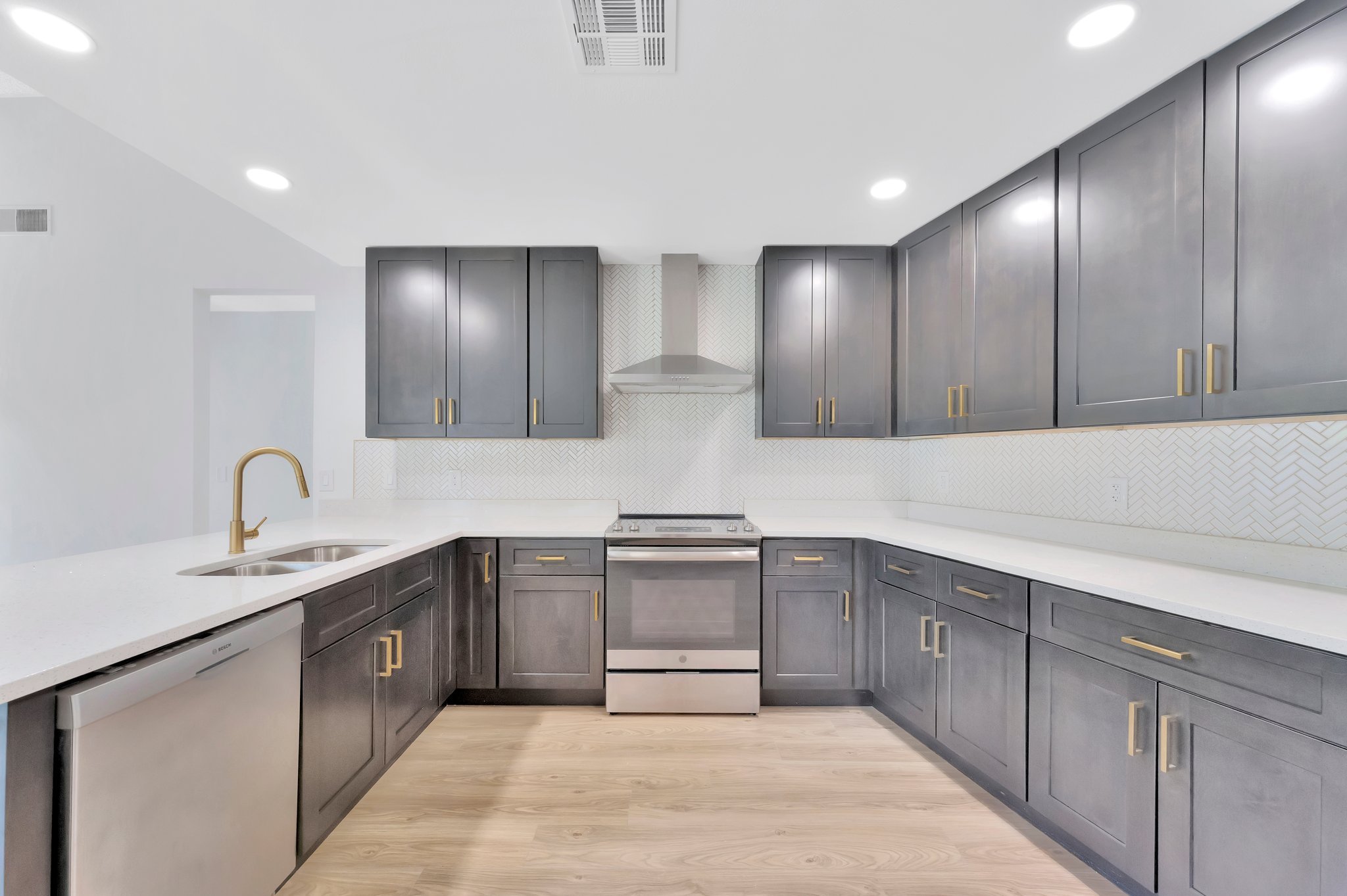
Determine Optimal Cabinet Layout for Your Space
A thoughtful cabinet layout maximizes both function and aesthetics. Accurate measurements and strategic design can improve workflow, boost storage capacity, and enhance overall appeal.
Measure Your Kitchen Dimensions Precisely
Accurate measurements are crucial. Use reliable tools to measure wall lengths, ceiling heights, and appliance placements. Creating a detailed floor plan prevents costly mistakes like misalignment and wasted space, and lays the foundation for an efficient layout.
Plan for Traffic Flow Around Your Cabinets
Consider the natural traffic patterns in your kitchen. The layout should allow for smooth movement, ensuring that pathways remain clear and that storage is easily accessible during busy periods. Clearly defined zones for cooking, cleaning, and storage improve both functionality and safety.
Optimize Vertical Storage Solutions in Cabinets
Maximizing vertical space can significantly improve organization. Tall pantry units, pull-out shelves, or vertical dividers can enhance storage without cluttering your countertops. Such solutions adapt flexibly to different kitchen sizes and can provide additional room for larger items.
Create Functional Zones for Cooking and Prep Areas
Separate your kitchen into designated zones for cooking, food preparation, and cleaning. Placing frequently used utensils near the stove or prep area saves time while reducing unnecessary movement. Deep drawers for pots or specialized compartments for utensils can further boost efficiency and appearance.
Visualize Open Concept vs. Closed Storage Options
Decide between open shelving and closed cabinets to match your style and functional needs. Open shelving offers easy access and displays decorative items, while closed storage provides a clean, uncluttered look. A balanced mix can combine visibility with a streamlined appearance.
Seek Professional Help for Complex Layouts
If your kitchen layout is complicated or you’re uncertain about design choices, professional advice may be invaluable. Experienced cabinet installers or interior designers can suggest creative solutions based on your specific dimensions and usage patterns, ensuring a well-designed and functional space.
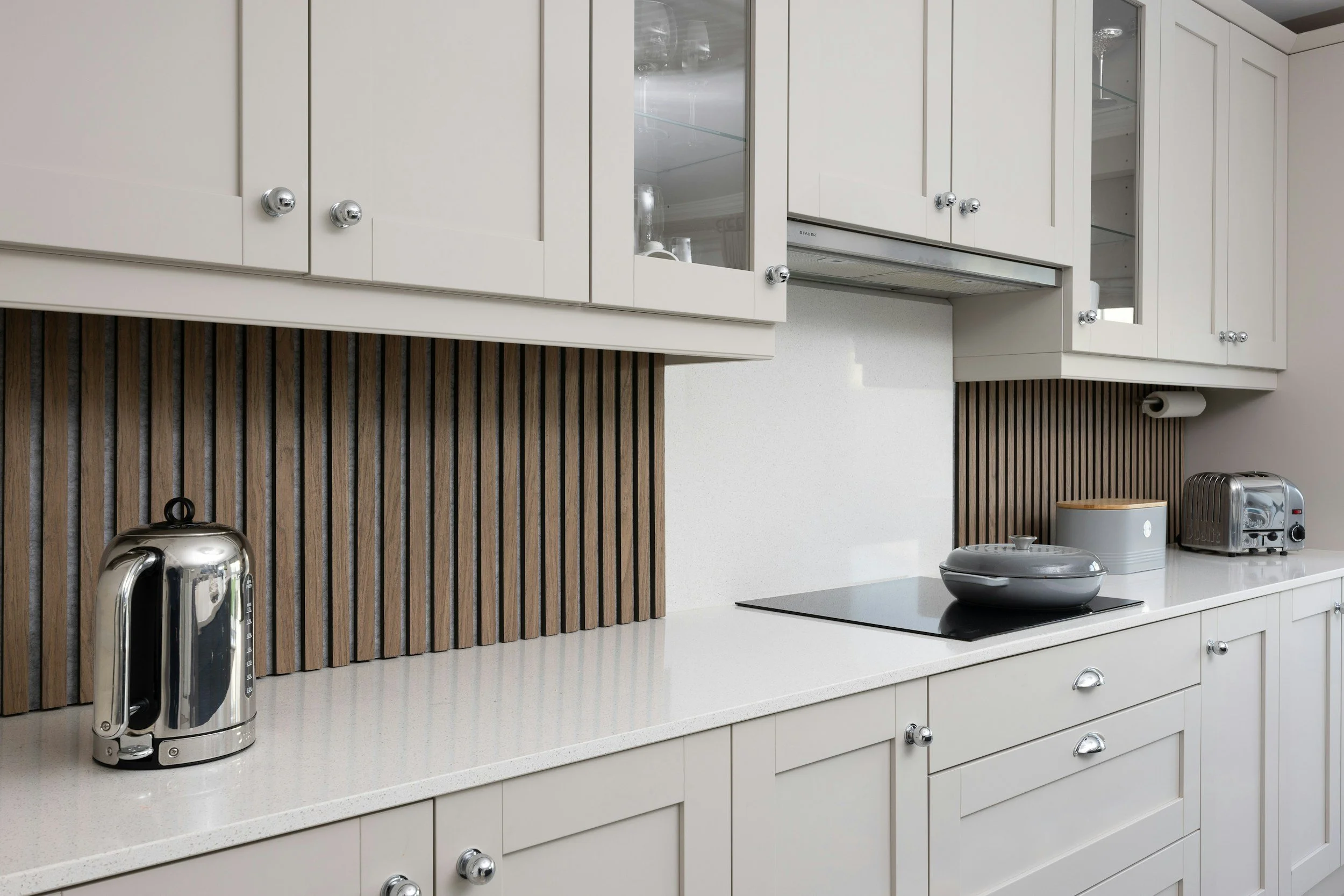
Budget for Your Cabinet Replacement Project
A detailed budget is essential to avoid financial surprises during a cabinet replacement project. By carefully planning for all costs, you can balance high quality with an efficient investment.
Break Down Costs for Materials and Labor
Itemize costs for materials such as cabinet doors, frames, finishes, and hardware. Separate labor costs like installation, removal of old cabinets, and any structural modifications. This breakdown facilitates a clear understanding of your expenses and helps you compare multiple quotes from local cabinet shops.
Consider Potential Hidden Expenses During Renovation
Renovation projects can involve unexpected issues such as structural repairs, electrical or plumbing updates, or hidden water damage. Setting aside a contingency fund reduces the risk of budget overruns when these surprises arise.
Allocate Funds for Unexpected Repairs and Changes
In addition to your estimate, reserve an extra 10-20% of the overall budget for unforeseen repairs or adjustments. This financial cushion helps keep your project on schedule and prevents additional costs from derailing your plan.
Research Financing Options for Your Project
If necessary, explore financing options offered by local cabinet companies, remodeling specialists, or banks. Spreading costs over time with home improvement loans or lines of credit can make a high-quality renovation more attainable.
Track Expenses to Stay Within Your Budget
Use budgeting software or a spreadsheet to monitor every expense throughout the project. Consistent expense tracking ensures fiscal discipline and provides useful insights for future renovation projects.
Prepare for Long-Term Value in Your Investment
High-quality cabinets can increase your home’s market value. Though the initial investment may be higher, superior materials, effective layouts, and professional installation result in durable, attractive cabinets that offer long-term returns.
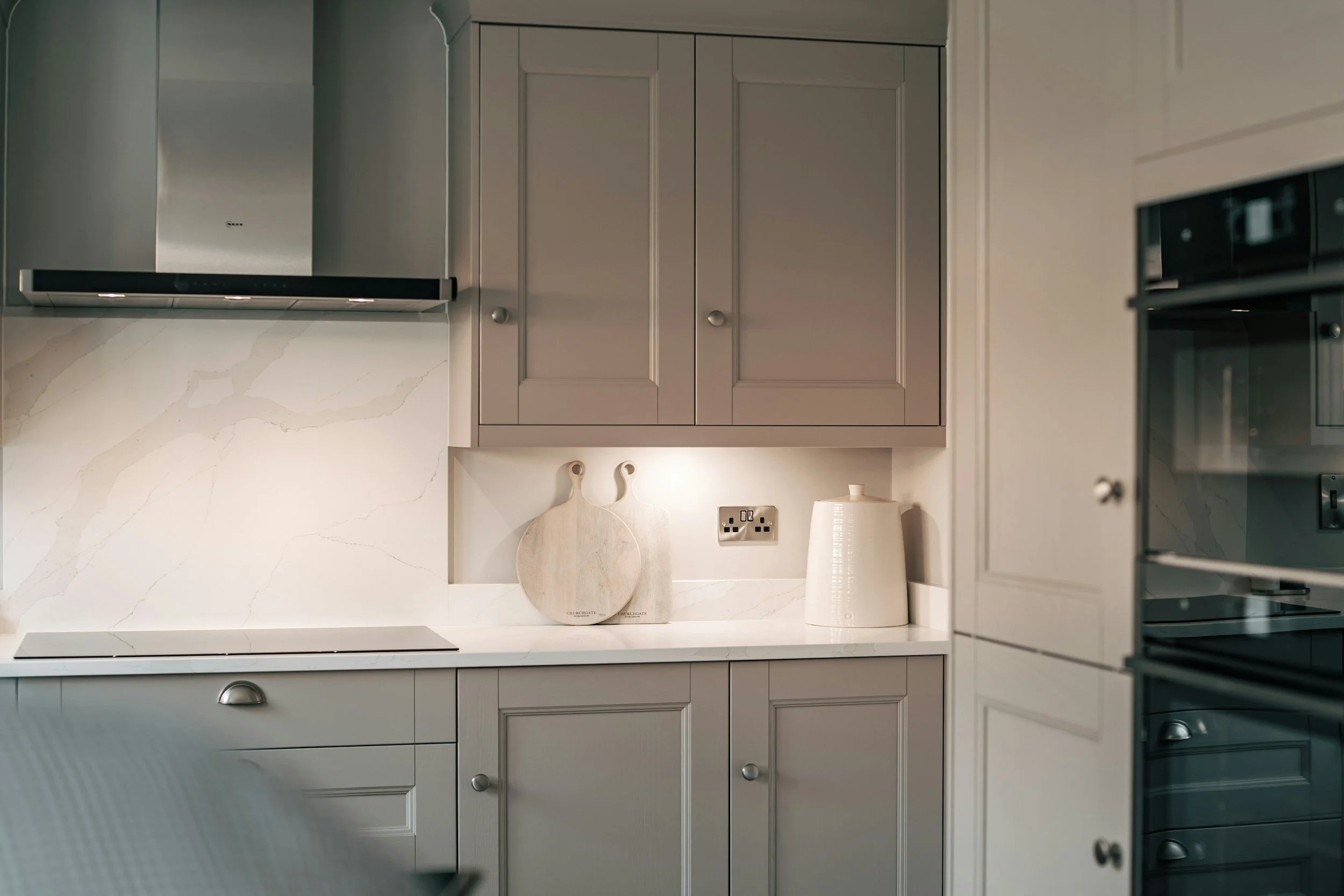
Research Professional Services for Cabinet Installation
Selecting the right professionals is key to a successful cabinet installation. Experienced contractors ensure that your new cabinets are installed efficiently and correctly, minimizing potential issues and enhancing longevity.
Evaluate Reviews and Portfolios of Local Contractors
Examine local contractors’ websites, customer testimonials, and before-and-after photos to gauge their reliability and quality. Choose professionals with proven experience who match your style and renovation goals.
Request Quotes From Multiple Cabinet Installers
Obtain detailed quotes that list labor, materials, and other fees. Comparing multiple quotes provides a realistic view of the local market rate and confirms that you receive fair pricing for the services.
Interview Potential Installers for Credentials
A direct interview can clarify a contractor’s credentials, certifications, and work methods. Ask about previous projects, insurance coverage, and how they manage project timelines to ensure they are well-equipped for your cabinet replacement.
Discuss Timelines and Project Management Expectations
Clear communication regarding start dates, project duration, and key milestones is essential. Discuss how each contractor handles delays or changes in scope to ensure the renovation proceeds smoothly with minimal disruption.
Ensure They Provide Warranty or Guarantee on Work
A reputable installer should back their work with a solid warranty. Confirm the duration and coverage details to ensure you have peace of mind and protection against potential future issues.
Confirm the Availability of Communication Throughout
Establish a clear communication plan with your contractor. Regular progress updates and easy accessibility for questions ensure a collaborative and efficient renovation process.
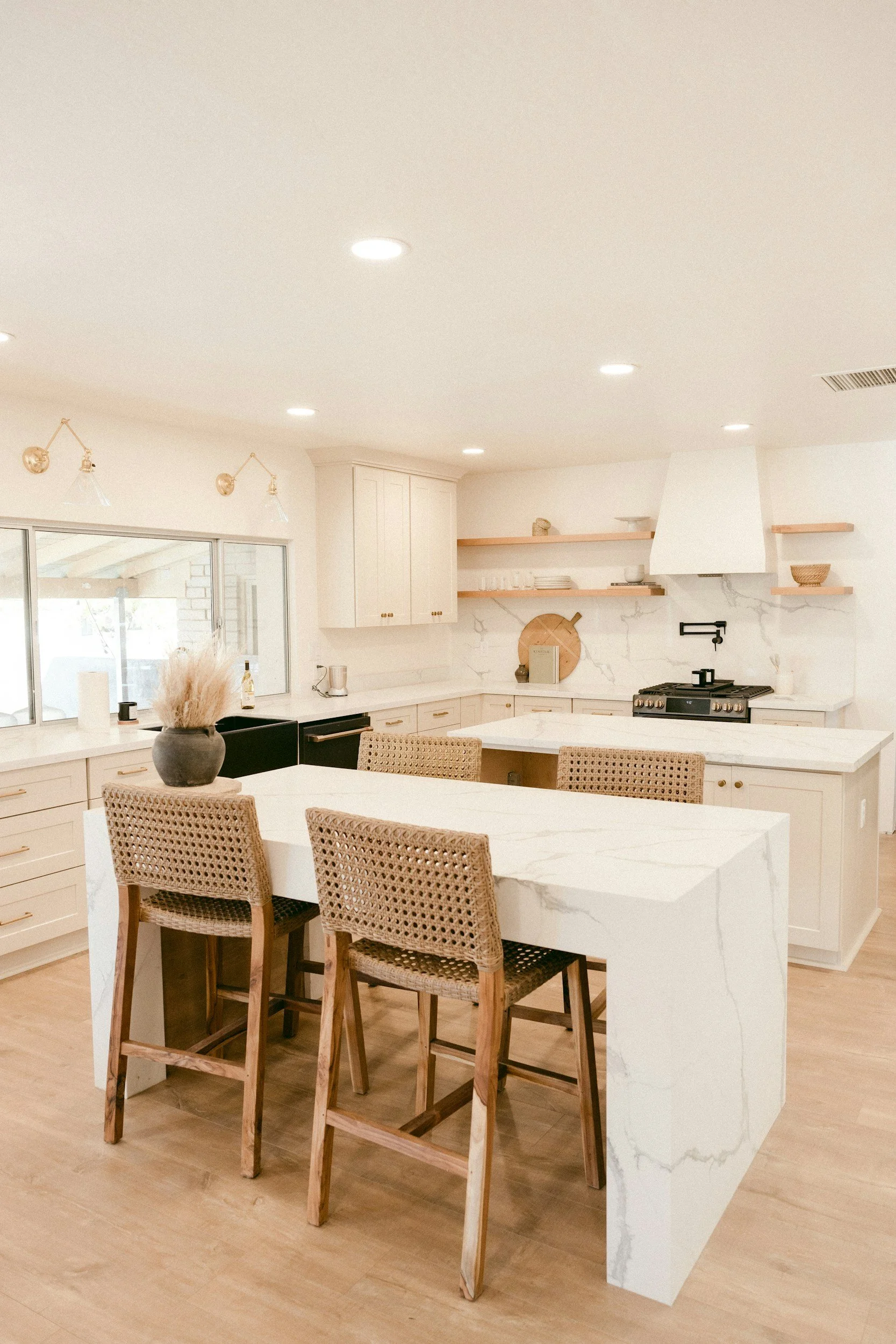
Style and Decor Tips for Your New Cabinets
Final details can elevate your cabinet replacement project. Thoughtfully chosen style and decor elements add personality and functionality to your kitchen.
Curate Decorative Hardware to Enhance Cabinet Aesthetics
Select handles, knobs, and pulls that complement your cabinet material and color. Options like brushed nickel or antique brass can enhance the overall style while remaining functional and durable.
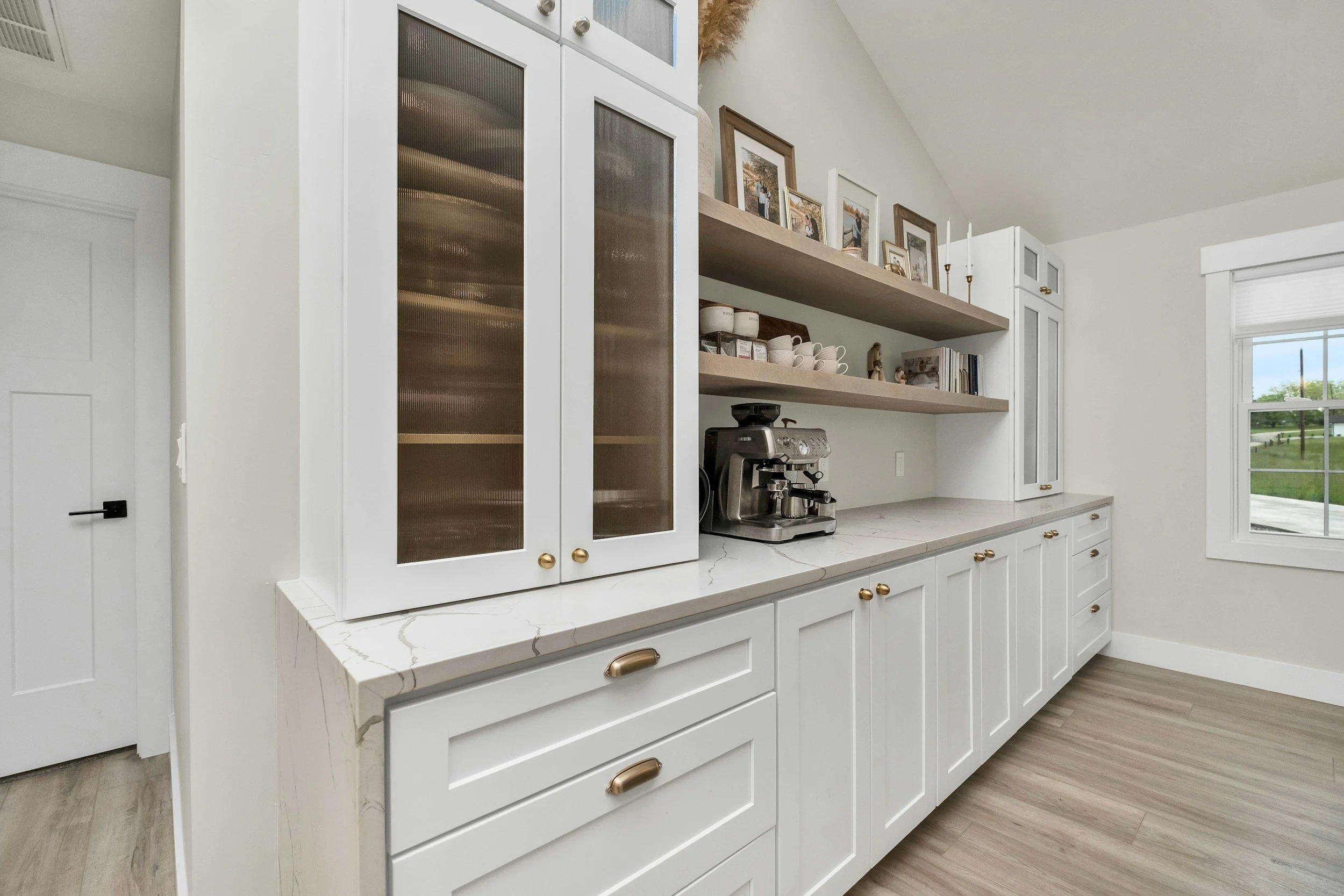
Choose Appropriate Lighting to Highlight Your Cabinets
Effective lighting, such as under-cabinet lights, spotlights, or pendant fixtures, can accentuate cabinet details and create a warm ambiance. Energy-efficient lighting not only highlights your cabinets but also improves the kitchen’s functionality.
Consider Open Shelving for Displaying Items
Integrate open shelving to display attractive dishware, decor, or cookbooks. This option adds visual interest while balancing the clean lines of closed cabinets, providing both form and function.

Match Cabinet Styles With Overall Kitchen Decor
Ensure your cabinet style complements existing elements like countertops, backsplashes, and flooring. Consistent textures, colors, and finishes create a harmonious, elegant look throughout your kitchen.
Integrate Accessories for a Cohesive Look
Add practical yet stylish accessories such as pull-out spice racks, under-cabinet baskets, or decorative trim. These elements reinforce your design theme while enhancing organization and functionality.
Add Personal Touches to Make Cabinets Stand Out
Personalize your cabinets with custom engravings, distinctive paint colors, or unique hardware selections. These touches transform standard cabinetry into a reflection of your personal style.
Frequently Asked Questions
Q: What are the key signs that indicate I need to replace my cabinets? A: Look for worn-out surfaces, water damage, loose hinges, and a mismatch with modern kitchen functionality. If your cabinets no longer meet storage needs or appear outdated, replacement may be necessary.
Q: How do I choose between refacing and completely replacing my cabinets? A: Refacing works when the cabinet structure is sound but needs an updated exterior. Complete replacement is advisable for structural damage or significant storage inefficiency.
Q: What sustainable cabinet materials are available for eco-friendly renovations? A: Options include reclaimed wood, bamboo, and engineered wood products made with low-emission adhesives. These materials offer durability and aesthetic appeal while reducing environmental impact.
Q: How much should I budget for a complete cabinet replacement project? A: Costs vary by material quality, labor, and location. Ensure your estimate covers materials, installation, and additional repairs, with a contingency of 10-20% for unexpected expenses.
Q: Can I optimize my kitchen storage without completely replacing my cabinets? A: Yes. Updating the internal layout, adding pull-out drawers, or incorporating vertical shelving can enhance functionality while keeping the existing structure.
Q: How long does a typical cabinet replacement project take from start to finish? A: Timelines vary with scope and complexity but typically range from two to four weeks, including planning, procurement, and installation.
Q: What are the benefits of hiring a professional cabinet installer? A: Professionals provide accurate measurements, high-quality workmanship, and help manage hidden expenses. Their expertise ensures a design that meets both functional and aesthetic standards.
Final Thoughts
The success of a kitchen remodel hinges on thoroughly evaluating your existing cabinets, choosing high-quality materials, and designing an efficient layout. Meticulous planning—balancing cost, functionality, and style—ensures a renovated space that enhances home value and daily convenience. Integrating expert advice, detailed budgeting, and thoughtful style choices helps create modern, efficient, and beautiful kitchens that stand the test of time.
Material Type
Cost Range
Durability
Maintenance Requirement
Aesthetic Appeal
Solid Wood (Oak)
High
Excellent
Regular refinishing
Classic, warm
Wood Veneer
Moderate
Good
Low to moderate
Modern, versatile
Particle Board
Low
Fair
Minimal, but vulnerable
Varied, often generic
Engineered Wood
Moderate
Good
Low maintenance
Contemporary, sleek
Bamboo
Moderate
High
Low
Eco-friendly, unique
Evaluate cabinet conditions carefully before deciding on replacement.
Balance aesthetics with functionality and long-term value.
Choose materials based on maintenance, cost, and design continuity.
Use professional services for precise measurements and quality workmanship.
Optimize your kitchen layout for improved traffic flow and storage efficiency.
By following these structured steps, homeowners can transform their kitchens into modern, efficient, and beautiful spaces that meet both storage needs and design aspirations.