Of all the painting decisions a homeowner makes, trim color is the one most likely to be treated as an afterthought — and the one that has the most dramatic impact on the finished result. The relationship between wall color and trim color is the fundamental architecture of a room’s painted surfaces, and getting it right transforms a space in ways that are immediately visible but difficult to articulate.
The Case for White Trim
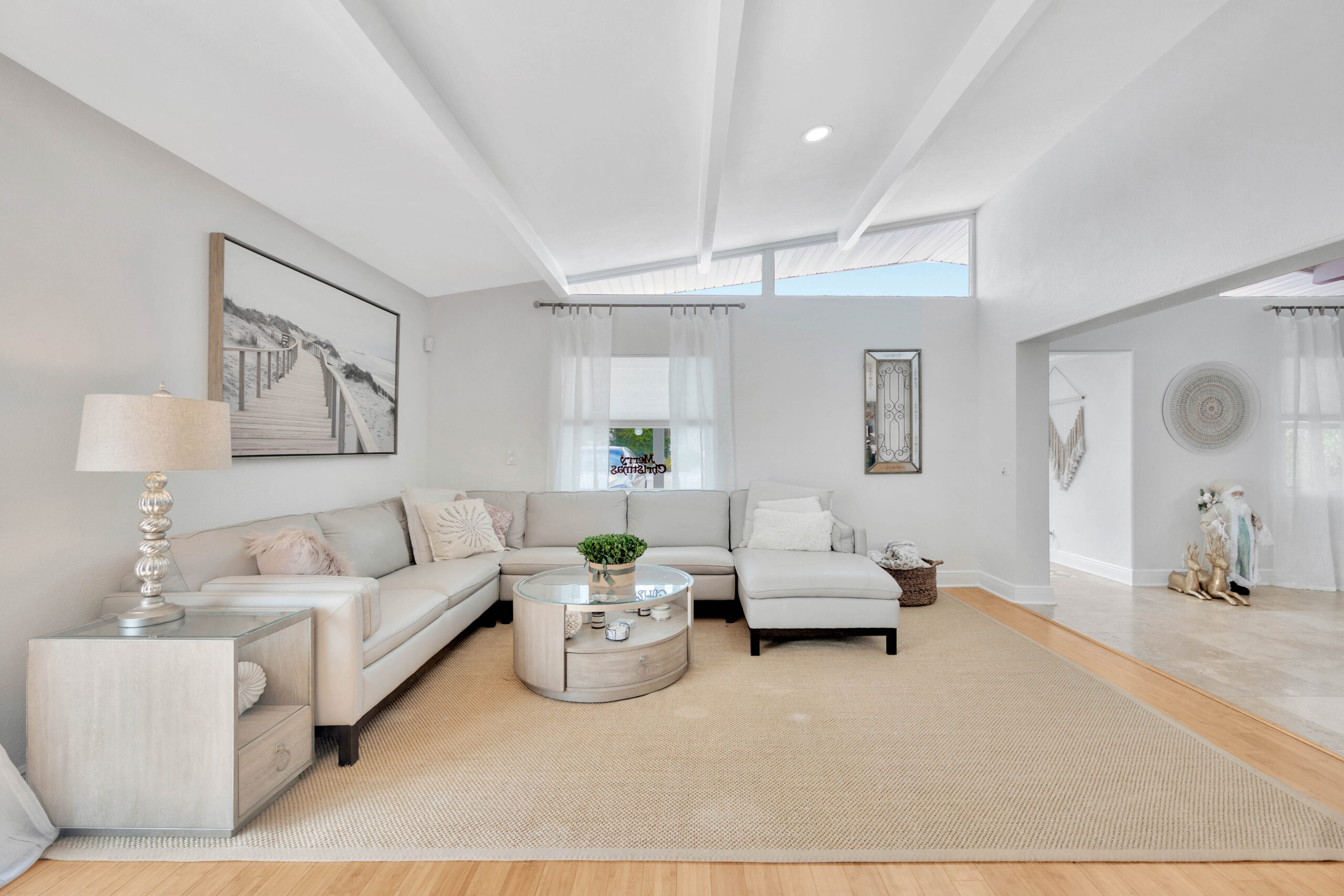
White trim is the default choice for a reason: it works. Crisp white trim creates a clean, defined boundary between wall and architectural element that reads as intentional and finished. It provides contrast that makes wall colors look more saturated and intentional, and it creates a visual framework that ties together rooms with different wall colors throughout a home.
The question is not whether to use white trim, but which white. The difference between a warm white like Sherwin-Williams Alabaster and a cool white like Benjamin Moore Chantilly Lace is significant, and choosing a trim white that fights with your wall color’s undertones will create a subtle tension that most people notice without being able to identify.
Tonal Trim: A More Sophisticated Approach
An increasingly popular alternative to the white-trim-against-colored-walls approach is tonal trim — choosing a trim color that is closely related to the wall color rather than sharply contrasting with it. This approach creates a more layered, sophisticated look that feels intentional and current.
A room with sage green walls and sage green trim in a slightly lighter or darker value reads as a cohesive, designed space. The architectural elements are still visible — the trim still defines the windows, doors, and baseboards — but they feel integrated into the room rather than imposed upon it.
Matching Trim to Your Home’s Architecture
The architecture of your home should inform your trim color approach. Homes with significant architectural detail — crown molding, wainscoting, coffered ceilings, built-in millwork — benefit from trim colors that highlight these features. Homes with simpler, more modern architecture often look best with tonal or monochromatic approaches that do not over-emphasize the trim.
Our painting team at Bayshore Remodels can help you develop a complete color strategy for your home — walls, trim, ceilings, and accents — that works as a cohesive whole. Schedule a color consultation to get started.
Featured image: AI-generated illustration. © Bayshore Remodels 2026.
Continue Planning Your Project
For more practical guidance, visit our All Services service page and explore related Design Tips: